
It started as stiffness after sitting through a long afternoon of back-to-back meetings in the Greenway towers. Then it became the dull ache that follows you home on the Southwest Freeway and greets you again before your alarm goes off in the morning. Now it's the reason you stand at the back of the conference room instead of sitting through a two-hour presentation, the reason you've stopped doing things you used to enjoy, and the quiet limitation you've accepted as part of your life without ever consciously deciding to do so.
Low back pain has a particular way of becoming background noise in the life of a busy Greenway Plaza professional. It's persistent enough to affect everything — how you sit, how you sleep, how you move through your day — but manageable enough to keep pushing to the bottom of the priority list. Until it isn't manageable anymore.
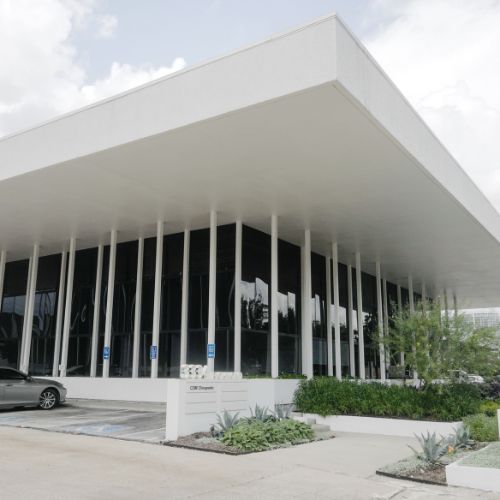
At CORE Chiropractic's Greenway Plaza location at 3334 Richmond Avenue, Suite 107, low back pain is the most common condition we treat and one where we consistently produce outcomes that genuinely change how our patients live and work. If you have been managing your low back pain rather than addressing it, we would like to show you what addressing it actually looks like.
What Is Actually Causing Your Low Back Pain?
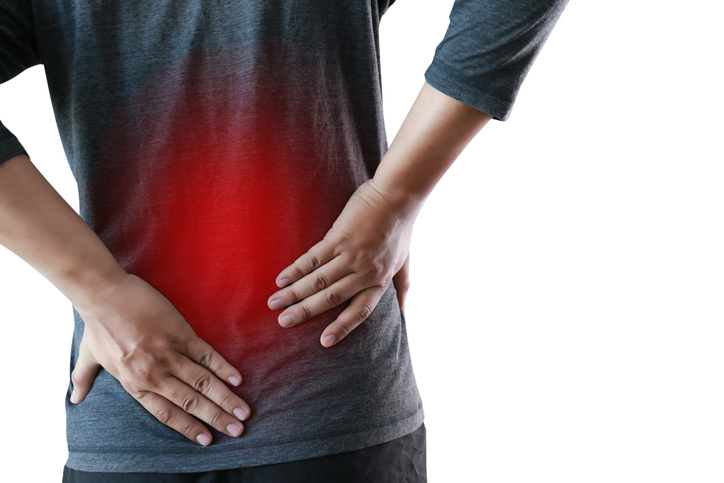
Low back pain is a symptom, not a diagnosis — and the patients who cycle through temporary relief followed by inevitable recurrence almost always have one thing in common: the underlying cause was never properly identified. Treating low back pain without understanding its source is the single most common reason people end up managing a chronic condition for years when the right evaluation and the right care plan could have produced lasting relief.
The lumbar spine — the five vertebrae of the lower back — bears the majority of your body's compressive load with every movement of every day. It is designed to maintain a natural inward curve that distributes that load evenly across the discs and vertebral joints.
When that curve is compromised by subluxation, disc degeneration, muscle imbalance, or the cumulative postural loading of years of desk work, the distribution becomes uneven, the structures of the lower back break down progressively, and pain is the result.
At our Greenway Plaza location the most common sources of low back pain we identify include lumbar subluxations — vertebral misalignments that create mechanical stress, restrict normal spinal movement, and irritate the nerve roots exiting the lower back. Disc problems are another frequent driver — from mild bulges that press against spinal nerves and produce localized lumbar aching, to more significant herniations that compress the sciatic nerve and send pain, tingling, or numbness radiating down the leg. Degenerative disc disease — the gradual thinning and breakdown of the intervertebral discs over time — is particularly common in the professional population over forty and produces the characteristic deep, constant low back ache that most long-term sufferers recognize immediately.
Sacroiliac joint dysfunction, hip flexor tightness from chronic sitting, gluteal muscle inhibition, and the compensatory movement and postural patterns that develop when the lumbar spine has been dysfunctional for an extended period are all additional contributors that a thorough evaluation identifies — and that a thorough treatment plan addresses systematically rather than leaving any piece of the picture unresolved.
Why Low Back Pain Is So Common Among Greenway Plaza Professionals
The professionals we see from the towers along the Southwest Freeway corridor, the firms clustered in the 77046 and 77098 zip codes, and the offices within walking distance of the main Greenway Plaza campus share a remarkably consistent profile when it comes to low back pain — and understanding that profile is essential to understanding why so many of them have had limited success with conventional treatment approaches.
Prolonged sitting is the primary driver — and it is inescapable in the Greenway district's professional environment. The lumbar spine is designed to maintain its natural lordotic curve as the foundation of all spinal function.
When you sit — particularly in the chairs typical of corporate conference rooms and open-plan offices — the pelvis tilts backward, the lumbar lordosis flattens, and the posterior aspect of each lumbar disc bears a disproportionate compressive load. Eight or more hours of that loading, five days a week, year after year, produces the disc degeneration and vertebral joint breakdown that drives the majority of serious low back pain presentations we see at this location.
The Southwest Freeway commute is a significant secondary contributor that is specific to the Greenway patient population. US-59 is consistently among Houston's most congested routes, and the professionals commuting into the Greenway district from the surrounding neighborhoods spend meaningful portions of their day loading their lumbar spine in a sustained flexed position with the vibration and impact forces of stop-and-go traffic — a mechanical environment that research links directly to accelerated disc degeneration and elevated risk of lumbar injury. The combination of a long commute into Greenway Plaza and a full day of desk work represents an almost uninterrupted period of lumbar loading that the spine was never designed to sustain.
We also see a significant number of low back pain patients from the residential neighborhoods surrounding the Greenway district — River Oaks, Upper Kirby, Montrose, and West University Place — whose presentations often involve a recreational or athletic component alongside the occupational factors. The active populations of these neighborhoods engage in running, cycling, yoga, CrossFit, and recreational sports at high rates — activities that are genuinely beneficial but that place real demands on a lumbar spine already compromised by the postural and mechanical demands of professional desk work. The intersection of sedentary professional life and active recreational lifestyle is one of the most common patterns we see in low back pain patients at our Greenway Plaza location.
How CORE Chiropractic Treats Low Back Pain at Our Greenway Plaza Location
Every low back pain patient at CORE Chiropractic Greenway Plaza begins with a comprehensive evaluation designed to identify the specific source of the pain before any treatment is recommended. That means a detailed consultation covering your full low back pain history, a thorough orthopedic and neurological examination of the lumbar spine, pelvis, and lower extremities, and standing digital X-rays taken in our on-site imaging suite.
Those weight-bearing X-rays are a cornerstone of the evaluation process. The alignment and mechanical behavior of your lumbar spine and pelvis under your own compressive body weight — standing as you do throughout your workday — provides diagnostic information that no lying-down imaging can replicate. For many Greenway Plaza patients these X-rays identify specific vertebral misalignments and disc changes that explain years of low back pain that has previously been attributed to muscle strain, stress, or simply getting older — and that has been left without effective treatment as a result.
From that evaluation we build a treatment plan specific to your lumbar spine, your lifestyle, and the root cause of your pain. For most low back pain patients at this location that plan draws from the following:
Chiropractic Adjustments
Precise, targeted adjustments to the lumbar spine and pelvis restore proper vertebral alignment, correct the subluxations generating mechanical stress and nerve root irritation, and help the muscles of the lower back release the protective tension they have been holding around the dysfunctional joints. Our doctors adapt the technique to your specific presentation — the adjustment for a lumbar disc herniation is meaningfully different from the approach for a sacroiliac subluxation or a facet joint restriction, and getting that distinction right is what produces results rather than temporary relief followed by inevitable recurrence.
Non-Surgical Spinal Decompression Therapy
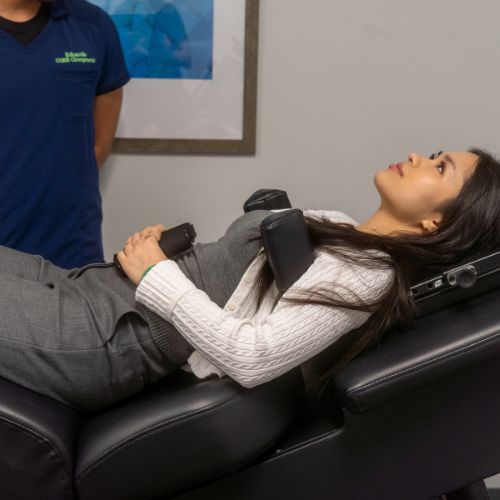
For low back pain driven by herniated or bulging discs, degenerative disc disease, or spinal stenosis, spinal decompression therapy is one of the most effective non-surgical interventions available in the conservative care landscape. Using a specialized decompression table, we gently and precisely distract the affected lumbar segments under controlled tension — creating negative intradiscal pressure that encourages herniated disc material to retract away from the nerve roots it is compressing and draws nutrients and hydration back into the degenerated disc space. Most patients find the sessions deeply relaxing, and the cumulative therapeutic effect over a series of treatments is profound for disc-related low back pain and sciatica that has not responded adequately to adjustments alone.
PEMF Therapy
For low back pain patients dealing with chronic inflammation, disc degeneration, or the kind of deep, persistent lumbar pain that doesn't fully resolve with mechanical treatment alone, PEMF therapy at our Greenway Plaza location addresses the physiological environment of the injured structures at a cellular level. By reducing inflammation, improving circulation to the compromised disc and surrounding soft tissues, and stimulating the body's natural repair processes, PEMF provides a therapeutic layer that mechanical treatment alone cannot replicate — and that is particularly valuable for patients whose low back pain has been present for months or years and whose tissues have developed chronic inflammatory patterns that resist resolution.
HEIT Therapy
For patients with advanced disc degeneration, chronic nerve involvement, or low back pain that has persisted despite multiple prior interventions — including prior chiropractic care, physical therapy, or pain management — HEIT therapy at our Greenway Plaza location provides a deeper level of electromagnetic tissue stimulation than conventional PEMF. The powerful electromagnetic field generated by HEIT penetrates deeply into the affected lumbar structures, driving cellular repair and reducing inflammation in tissues that have been compromised over extended periods. For the patient who has genuinely tried everything without finding lasting relief, HEIT frequently represents the therapeutic component that was missing from every previous approach.
Lumbar Rehabilitation and Core Stabilization
Lasting low back pain relief requires active participation beyond passive in-office treatment. The deep core stabilizers, gluteal muscles, and hip flexors that support and protect the lumbar spine are almost universally weakened and imbalanced in chronic low back pain patients — and rebuilding their proper function is essential to preventing the recurrence that defines the experience of so many people who have had temporary success with treatment before the pain inevitably returned. We prescribe specific, progressive rehabilitation exercises tailored to each patient's presentation and daily demands. For the active Greenway patient whose low back pain has a recreational component — the runner, the cyclist, the yoga practitioner — we progress rehabilitation specifically toward the demands of their activity rather than stopping at a baseline that doesn't reflect what they actually need their back to do.
Postural Correction and Ergonomic Guidance
For the Greenway Plaza professional whose low back pain has been created and perpetuated by the daily demands of desk work and the Southwest Freeway commute, mechanical treatment without addressing the behaviors and ergonomic environment that load the lumbar spine daily is incomplete care. We provide specific, practical guidance on workstation setup, lumbar support, sitting mechanics, movement habits throughout the workday, and the driving posture adjustments that make a meaningful difference in lumbar spine loading for the patient with a long commute on US-59.
What to Expect at Your First Low Back Pain Appointment
If you have been managing low back pain with ibuprofen, rest, or periodic physical therapy that provides temporary improvement before the pain inevitably returns — and you have never had a comprehensive structural evaluation of what is actually causing it — coming to CORE Chiropractic Greenway Plaza is a straightforward and pressure-free process that finally provides real answers.
Your first appointment begins with a detailed consultation covering the complete history of your low back pain — when it started, how it has evolved, what makes it worse, what provides temporary relief, what you have already tried, and any prior imaging or diagnoses you have received. We take the history seriously because the pattern of low back pain over time is often as diagnostically informative as the physical examination that follows.
From there we conduct a thorough orthopedic and neurological examination assessing lumbar range of motion, disc integrity, joint mechanics, neurological function in the lower extremities, sacroiliac joint function, and the postural and movement patterns contributing to your specific presentation. We then take standing digital X-rays in our on-site imaging suite to evaluate the structural alignment of your lumbar spine and pelvis under load.
At your report of findings appointment — typically within one to two days — your doctor walks you through exactly what we found, explains in plain language what is driving your low back pain and why, and presents a specific treatment plan with realistic timelines and measurable milestones. You will leave that appointment with real answers and a real plan — not a vague recommendation to stretch more and follow up if things don't improve on their own.
We verify your insurance benefits before your first visit so there are no financial surprises when you arrive.
Serving Greenway Plaza and the Surrounding Houston Neighborhoods
CORE Chiropractic's Greenway Plaza location at 3334 Richmond Avenue, Suite 107 is positioned at the center of one of Houston's most professionally dense corridors and within easy reach of the residential neighborhoods that surround the Greenway district in every direction.
We see low back pain patients regularly from across the Greenway and Upper Kirby district — professionals working in the towers along the Southwest Freeway, residents of River Oaks, Montrose, West University Place, and Midtown, and patients from the neighborhoods between Buffalo Speedway, Shepherd Drive, Westheimer Road, and the Southwest Freeway. Our scheduling is built around the demands of a full professional calendar — early morning appointments, efficient visit structures, and same-week availability for new patients who are ready to stop managing their low back pain and start understanding it.
The neighborhoods we serve most frequently for low back pain treatment include Greenway Plaza, Upper Kirby, River Oaks, Montrose, West University Place, Midtown Houston, and the surrounding zip codes 77098 and 77046.
Frequently Asked Questions About Low Back Pain Treatment in Greenway Plaza
Should I see a chiropractor or a medical doctor for low back pain?
For the vast majority of low back pain presentations — including disc herniations, lumbar subluxations, sacroiliac dysfunction, and chronic postural low back pain — chiropractic care is an appropriate and highly effective first-line intervention that addresses the mechanical cause rather than managing the symptom. If your low back pain is accompanied by loss of bladder or bowel control, severe progressive neurological weakness in the legs, or follows significant trauma, seek medical attention immediately. For everything else, a thorough chiropractic evaluation is an excellent starting point — and we will tell you directly at your report of findings if your presentation warrants co-management with another type of provider.
Can chiropractic care help a herniated disc without surgery?
Yes — and for the majority of lumbar disc herniations, conservative chiropractic care combined with spinal decompression therapy produces outcomes that allow patients to avoid surgery entirely. Surgery is appropriate in specific situations — particularly when progressive neurological deficits are present — but is frequently recommended before conservative care has been given a genuine opportunity to produce lasting results. We will give you an honest assessment of what we believe is achievable for your specific disc presentation at your report of findings appointment, based on the actual findings from your examination and X-rays rather than a generic protocol.
Why does my low back pain keep coming back even after treatment?
Recurrent low back pain almost always means one of two things — either the underlying mechanical cause was never fully identified and corrected, or the rehabilitation component of care was insufficient to rebuild the muscular support system that prevents recurrence. At CORE Chiropractic Greenway Plaza we address both systematically — identifying the specific structural and mechanical causes through a thorough evaluation, correcting them through precise chiropractic care and decompression therapy, and reinforcing the corrections through targeted rehabilitation that reduces the likelihood of recurrence once active care is complete.
How long does low back pain treatment take?
Most patients begin noticing meaningful improvement within the first two to four weeks of consistent care. Lasting relief for disc-related low back pain typically requires six to twelve weeks depending on the severity of the underlying condition and how long it has been present. We track your progress with objective measurements throughout your care plan so you always have a clear and honest picture of where you stand and what comes next.
Do you accept insurance for low back pain treatment?
Yes. CORE Chiropractic Greenway Plaza is in-network with Medicare, Blue Cross Blue Shield, Aetna, Humana, Cigna, UnitedHealthcare, and ASHN. We verify your benefits before your first appointment and explain exactly what is and isn't covered so you can make a fully informed decision without any financial uncertainty.
Your Low Back Has Been Asking for Attention. It's Time to Give It Some.
If you have been pushing through low back pain — shifting in your chair through meetings, adjusting your movements around it, managing it with ibuprofen, and deferring the proper evaluation that would actually tell you what is wrong — we would like to show you what addressing it properly looks like. CORE Chiropractic - Greenway Plaza has same-week appointments available, and your first visit includes a full consultation, comprehensive examination, and standing digital X-rays so you leave with a clear understanding of what is driving your pain and a specific plan to correct it.
We are right around the corner from Greenway Plaza. The low back pain you have been pushing through deserves a proper explanation — and a real plan.
CORE Chiropractic - Greenway Plaza 3334 Richmond Avenue, #107, Houston, TX 77098 (713) 929-4330
Serving Greenway Plaza · Upper Kirby · River Oaks · Montrose · West University · Medical Center Houston