
It started as occasional stiffness when you reached overhead. Then it became a dull ache that settled into the joint after a long day at your desk. Now it wakes you up when you roll onto it at night, limits how far you can lift your arm, and has quietly become something you've organized your entire physical life around — avoiding certain movements, sleeping on one side, skipping workouts you used to do without thinking twice.
Shoulder pain has a way of becoming the background noise of a busy professional life. It's not dramatic enough to send most people to the emergency room, but it's persistent enough to affect everything from how you carry a bag to how you sit through a two-hour meeting. And because it tends to develop gradually rather than arriving all at once, it's easy to keep pushing it further down the priority list — right up until the point where the list no longer matters and the shoulder does.
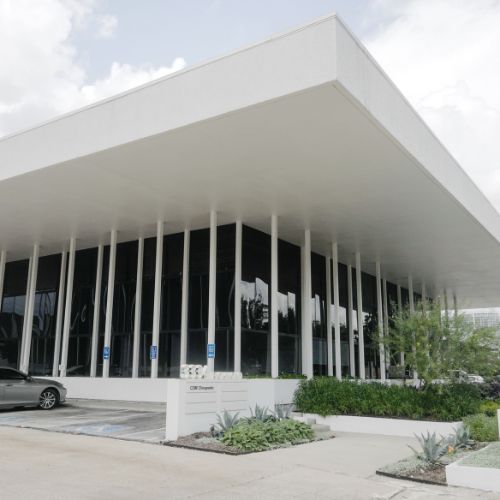
At CORE Chiropractic's Greenway Plaza location at 3334 Richmond Avenue, Suite 107, shoulder pain is one of the conditions we treat with some of our most consistent and satisfying outcomes. The shoulder is one of the most mechanically complex joints in the human body — and one of the most frequently undertreated, largely because most patients never receive an evaluation that looks at the entire kinetic chain driving their pain rather than just the joint itself. That is exactly the kind of evaluation we provide.
Understanding Shoulder Pain — Why It's Rarely Just About the Shoulder

The shoulder joint — technically the glenohumeral joint — is the most mobile joint in the human body. It sacrifices stability for range of motion, which is what allows you to throw, reach, lift, and rotate your arm through an enormous variety of positions. That mobility comes at a cost: the shoulder depends heavily on the surrounding muscles, tendons, ligaments, and the supporting structures of the cervical spine and thoracic spine to provide the stability it cannot provide on its own.
This interdependence is why shoulder pain is so frequently misunderstood and undertreated. When a patient presents with shoulder pain, the instinct — in most clinical settings — is to focus exclusively on the shoulder itself. Imaging is ordered. The rotator cuff is evaluated. The bursa is assessed for inflammation. And sometimes those findings explain the pain completely and the treatment is straightforward.
But a significant percentage of shoulder pain presentations have a cervical or thoracic spine component that is either driving the pain directly or significantly contributing to it. The nerve roots that supply the shoulder, arm, and upper extremity exit the cervical spine at C4, C5, C6, and C7. When these nerve roots are irritated, compressed, or affected by disc pathology or vertebral misalignment, the pain, weakness, or dysfunction they produce is felt in the shoulder — not in the neck where the problem originates. Treating the shoulder without addressing the cervical spine in these cases produces incomplete results at best and no results at worst.
The thoracic spine is the other frequently overlooked contributor. Rounded thoracic posture — the forward hunching that develops over years of desk work — alters the mechanics of the shoulder blade and the glenohumeral joint in ways that place chronic abnormal stress on the rotator cuff, the biceps tendon, and the bursa. Many cases of what appear to be isolated shoulder impingement syndrome are actually thoracic posture problems creating mechanical conflict in the subacromial space. Correct the thoracic spine, restore the shoulder blade mechanics, and the impingement frequently resolves without ever directly treating the shoulder at all.
This is the lens we bring to every shoulder pain evaluation at CORE Chiropractic - Greenway Plaza — and it is what makes our outcomes different.
Common Shoulder Conditions We Treat at Our Greenway Plaza Location
The shoulder pain presentations we see most frequently at our Greenway Plaza office reflect the demands of professional and active life in the Greenway district:
Rotator Cuff Injuries and Tendinopathy
The four muscles of the rotator cuff — supraspinatus, infraspinatus, teres minor, and subscapularis — are the primary stabilizers of the glenohumeral joint. They are also the structures most commonly strained, irritated, or torn in shoulder injuries. Rotator cuff tendinopathy — chronic irritation and degeneration of the tendon without a complete tear — is particularly common among desk workers whose shoulder mechanics have been compromised by years of poor thoracic posture and whose rotator cuff muscles have weakened from disuse. Chiropractic care combined with targeted rehabilitation addresses both the mechanical and muscular components of rotator cuff presentations.
Shoulder Impingement Syndrome
Impingement occurs when the tendons of the rotator cuff are mechanically compressed in the subacromial space — the gap between the top of the humerus and the acromion bone above it. It produces a characteristic pain arc when lifting the arm between approximately sixty and one hundred twenty degrees of elevation, and is one of the most common sources of shoulder pain in the desk-working population. As described above, many impingement presentations are driven by thoracic posture problems and respond very well to spinal correction and shoulder blade stabilization.
Frozen Shoulder — Adhesive Capsulitis
Frozen shoulder is a condition in which the capsule surrounding the glenohumeral joint becomes inflamed and progressively contracts, limiting range of motion in all directions and producing significant pain particularly at the end of available movement. It tends to develop in stages — a freezing phase, a frozen phase, and a thawing phase — and is notoriously difficult to treat effectively without a comprehensive approach that addresses both the joint capsule and the neurological and mechanical factors that are driving the inflammatory process. Chiropractic care, PEMF therapy, and specific mobilization techniques form an effective conservative management strategy for adhesive capsulitis.
Cervical Radiculopathy Presenting as Shoulder Pain
As discussed above, compressed or irritated cervical nerve roots frequently refer pain into the shoulder, upper arm, and down into the forearm and hand. This presentation is commonly mistaken for rotator cuff pathology because the pain location is similar, but the underlying driver is entirely different. A thorough cervical evaluation — including standing X-rays and orthopedic testing — distinguishes between true shoulder pathology and cervically-referred shoulder symptoms and ensures the treatment is directed at the actual source.
AC Joint Injuries and Dysfunction
The acromioclavicular joint — where the collarbone meets the top of the shoulder blade — is a common site of both acute injury and chronic degenerative changes. AC joint dysfunction produces pain specifically at the top of the shoulder that is often aggravated by cross-body movements and overhead reaching. It responds well to specific chiropractic management of the joint combined with rehabilitation of the surrounding musculature.
Why Shoulder Pain Is So Common Among Greenway District Professionals

The professionals we see from the Greenway Plaza towers, the corporate offices along Richmond Avenue, and the firms throughout the 77046 and 77098 zip codes share a predictable set of contributing factors to shoulder pain — most of which trace back to the demands of sustained desk work in a corporate environment.
Prolonged sitting with rounded thoracic posture is the primary driver. When the upper back rounds forward — as it inevitably does during sustained keyboard and monitor work — the shoulder blades protract and tilt, fundamentally altering the mechanics of the shoulder joint above them.
The rotator cuff muscles are placed at a mechanical disadvantage. The subacromial space narrows. The biceps tendon is placed under chronic tension. And the entire shoulder complex begins to function in a compromised position that, over months and years, produces the exact presentations described above.
Add to this the repetitive upper extremity movements of desk work — typing, mousing, reaching for a keyboard — performed hour after hour in a compromised mechanical position, and the cumulative stress on the shoulder structures becomes significant. We also see a strong contribution from stress-related upper trapezius tension, which is nearly universal in the corporate professional population and creates a chronic compressive load on the cervical spine and shoulder girdle that compounds every other mechanical factor.
We regularly see shoulder pain patients from the residential neighborhoods surrounding the Greenway district as well — River Oaks, Upper Kirby, Montrose, and West University Place — whose presentations often involve a greater athletic or recreational component alongside the occupational factors. Whether the driver is desk work, sport, or a combination of both, the approach is the same — evaluate the entire kinetic chain, identify the root cause, and treat it directly.
How CORE Chiropractic Treats Shoulder Pain at Our Greenway Plaza Location
Every shoulder pain patient at CORE Chiropractic - Greenway Plaza begins with a comprehensive evaluation that looks beyond the shoulder itself. That means a detailed consultation covering your full shoulder and spinal history, a thorough orthopedic and neurological examination of the shoulder, cervical spine, and thoracic spine, and standing digital X-rays taken in our on-site imaging suite.
From that evaluation we build a treatment plan specific to your presentation. For most shoulder pain patients at this location that plan includes a combination of the following:
Chiropractic Spine and Extremity Adjustments
Targeted adjustments to the cervical spine, thoracic spine, and where appropriate the glenohumeral and acromioclavicular joints directly address the mechanical contributors to shoulder pain. For presentations with a significant cervical component, upper cervical and mid-cervical adjustments reduce nerve root irritation and restore proper movement mechanics to the segments that are referring pain into the shoulder. For presentations driven by thoracic posture, mid-thoracic adjustments restore extension mobility and shoulder blade positioning — often producing immediate improvements in shoulder range of motion and pain levels.
HEIT Therapy
For shoulder pain patients dealing with chronic inflammation, rotator cuff tendinopathy, adhesive capsulitis, or the kind of deep, persistent joint pain that doesn't respond adequately to mechanical treatment alone, HEIT therapy at our Greenway Plaza location provides targeted support at the cellular level. By reducing inflammation, improving local circulation, and supporting tissue repair in the affected structures, HEIT (High Energy Inductive Therapy) addresses the physiological environment of the injured shoulder — not just its mechanics.
Cervical Decompression Therapy
For shoulder pain patients whose presentation includes a significant cervical disc component — pain, tingling, or weakness that radiates from the neck into the shoulder and arm — cervical decompression therapy directly addresses the disc pathology that is irritating the nerve roots supplying the upper extremity. Decompressing the affected cervical segments reduces the nerve root pressure that is generating the shoulder symptoms, often producing significant relief in cases where local shoulder treatment alone has been ineffective.
Shoulder Rehabilitation and Corrective Exercise
Effective shoulder pain treatment requires more than passive care. We prescribe specific, progressive rehabilitation exercises designed to address the muscle imbalances, rotator cuff weakness, and shoulder blade dysfunction that are contributing to each patient's specific presentation. For the desk worker whose shoulder mechanics have been compromised by thoracic posture, this includes targeted exercises to strengthen the lower trapezius, serratus anterior, and external rotators — the muscles most commonly inhibited by prolonged forward-head sitting posture.
Postural Correction and Ergonomic Guidance
For the professional whose shoulder pain has been created and perpetuated by the demands of desk work, addressing the spinal and shoulder mechanics without addressing the environment that loads them daily is incomplete care. We provide specific, practical guidance on workstation setup, sitting posture, monitor positioning, and the daily movement habits that either protect or compromise the shoulder over time.
What to Expect at Your First Shoulder Pain Appointment
If you have been managing shoulder pain with rest, anti-inflammatories, or the quiet hope that it will eventually improve on its own, coming to CORE Chiropractic - Greenway Plaza for a proper evaluation is a straightforward and low-pressure process.
Your first appointment begins with a detailed consultation covering the complete history of your shoulder pain — when it started, how it has changed, what movements aggravate it, what has helped temporarily, and what you have already tried. We take the history seriously because the pattern of shoulder pain is often as diagnostically informative as the examination findings.
From there we conduct a thorough orthopedic and neurological examination that assesses shoulder range of motion, rotator cuff integrity, cervical and thoracic spine mechanics, neurological function in the upper extremity, and the specific movement patterns and muscle imbalances that are contributing to your presentation. We then take standing digital X-rays in our on-site imaging suite to evaluate the structural alignment of the cervical and thoracic spine under load.
At your report of findings appointment — typically scheduled within one to two days — your doctor presents a complete picture of what we found, explains in plain language exactly what is driving your shoulder pain, and walks you through a specific treatment plan with realistic timelines and clear milestones. You will leave that appointment with real answers and a real plan — not a vague recommendation to rest and take ibuprofen and see how it feels in a few weeks.
We verify your insurance benefits before your first visit so there are no financial surprises.
Serving Greenway Plaza and the Surrounding Houston Neighborhoods
CORE Chiropractic's Greenway Plaza location at 3334 Richmond Avenue, Suite 107 serves one of the most professionally and residentially dense corridors in Houston. We are minutes from the main Greenway Plaza campus and the corporate towers along the Southwest Freeway, accessible from the offices throughout the 77046 zip code, and a short drive from the neighborhoods surrounding the district in every direction.
We see shoulder pain patients regularly from across the Greenway and Upper Kirby district — professionals commuting in from River Oaks, Montrose, West University Place, and Midtown, as well as residents of the neighborhoods between Buffalo Speedway, Shepherd Drive, Westheimer Road, and the Southwest Freeway. Our scheduling is built around the demands of a full professional calendar — early morning appointments, efficient visit structures, and same-week availability for new patients.
The neighborhoods we serve most frequently for shoulder pain treatment include Greenway Plaza, Upper Kirby, River Oaks, Montrose, West University Place, Midtown Houston, and the surrounding zip codes 77098 and 77046.
Frequently Asked Questions About Shoulder Treatment in Greenway Plaza
Do I need an MRI before coming to see you for shoulder pain?
No. While MRI can be useful for identifying specific structural pathology in complex shoulder presentations, the majority of shoulder pain cases can be thoroughly evaluated and effectively treated without advanced imaging. Our standing digital X-rays provide the spinal structural information we need, and our orthopedic examination provides the clinical picture of the shoulder itself. If we evaluate you and believe your presentation warrants MRI or specialist referral, we will tell you directly and help facilitate that process.
How do I know if my shoulder pain is coming from my neck or from the shoulder itself?
This is one of the most important questions in shoulder pain evaluation and one of the most reliably answered by a thorough clinical examination. Cervically-referred shoulder pain tends to be associated with neck stiffness, often involves neurological symptoms like tingling or numbness in the arm or hand, and is frequently reproduced by cervical movements rather than shoulder movements alone. True shoulder pathology tends to produce a more localized pain pattern that is specifically aggravated by shoulder movements, overhead reaching, and lying on the affected side. The overlap between these presentations is real, which is why we evaluate both systematically in every shoulder pain patient.
Can chiropractic care help frozen shoulder?
Yes, though frozen shoulder is one of the more challenging and time-intensive shoulder conditions to treat conservatively. The most effective approach combines specific mobilization techniques to address the capsular restriction, HEIT or PEMF therapy to reduce the inflammatory component, cervical and thoracic adjustments to optimize the neurological environment of the joint, and a carefully progressed home exercise program. Results vary depending on which stage of the condition the patient is in when they begin care, but meaningful improvement in range of motion and pain levels is achievable with a consistent, well-designed conservative care plan.
I've had a cortisone injection in my shoulder that helped temporarily. Can chiropractic care provide more lasting relief?
This is a very common presentation in our Greenway Plaza office. Cortisone injections reduce inflammation effectively but do not address the mechanical causes of that inflammation — which is why the relief is often temporary. Chiropractic care addresses the structural and mechanical factors that are perpetuating the inflammatory process, making it a complementary approach to injection therapy rather than an either-or choice. Many patients who come to us after temporary injection relief find that addressing the underlying mechanics finally provides the lasting improvement the injections alone could not.
Do you accept insurance for shoulder pain treatment?
Yes. CORE Chiropractic - Greenway Plaza is in-network with Medicare, Blue Cross Blue Shield, Aetna, Humana, Cigna, UnitedHealthcare, and ASHN. We verify your benefits before your first appointment and explain exactly what is and isn't covered so you can make a fully informed decision without any financial uncertainty.
Your Shoulder Has Been Asking for Attention. It's Time to Give It Some.
If you have been managing shoulder pain with rest, medication, or avoidance — and you have never had the full kinetic chain evaluated to understand what is actually driving it — we would like to change that. CORE Chiropractic - Greenway Plaza has same-week appointments available, and your first visit includes a full consultation, comprehensive examination, and standing digital X-rays so you leave with a clear picture of what is causing your shoulder pain and a specific plan to address it.
We are right around the corner from Greenway Plaza. Your shoulder has waited long enough.
3334 Richmond Avenue, #107, Houston, TX 77098 (713) 929-4330
Serving Greenway Plaza · Upper Kirby · River Oaks · Montrose · West University · Medical Center Houston